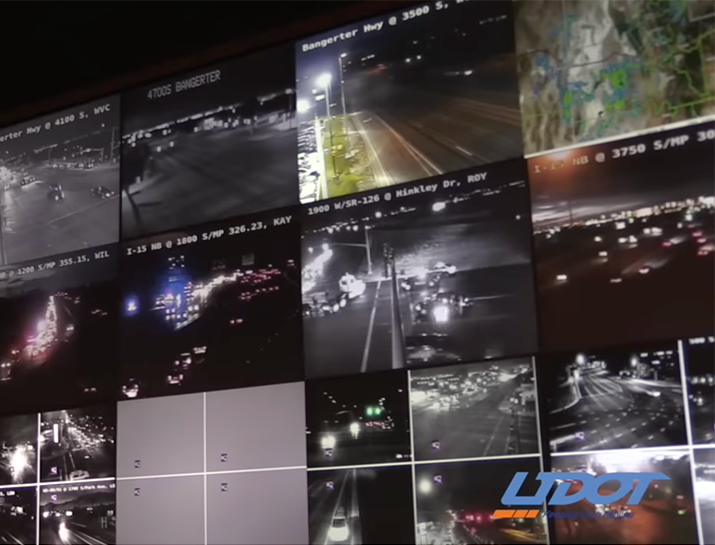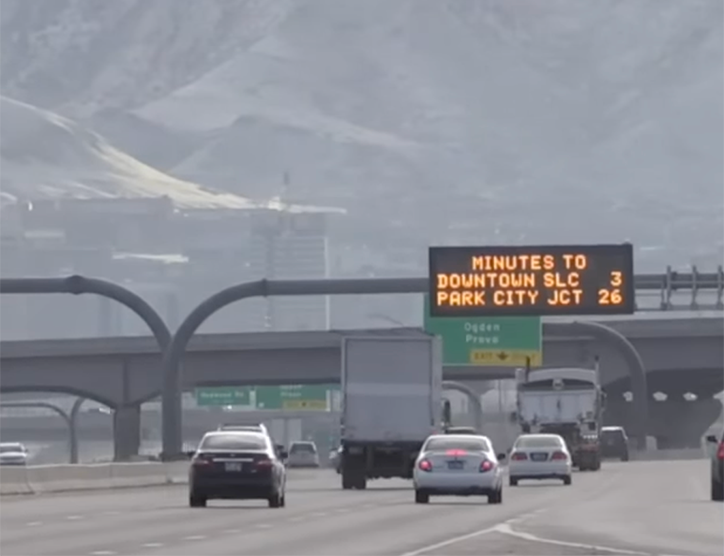
When Salt Lake City prepared to host the 2002 Winter Olympics, the region needed a Traffic Operations Center (TOC) capable of managing an unprecedented surge in traffic, transit, and public safety coordination on a global stage. Coming so soon after the attacks of 9/11, security was a top priority, and the TOC was built as a fully secure facility. Several members of our team were there from the start, working to design, build, and integrate that TOC. One of our Network Engineers played a key role in the systems design and integration work that brought the center online. That architecture helped the region successfully manage one of the most complex traffic events in its history. It became the operational backbone UDOT still relies on today, and it has served as a blueprint and model that other agencies across the country follow.
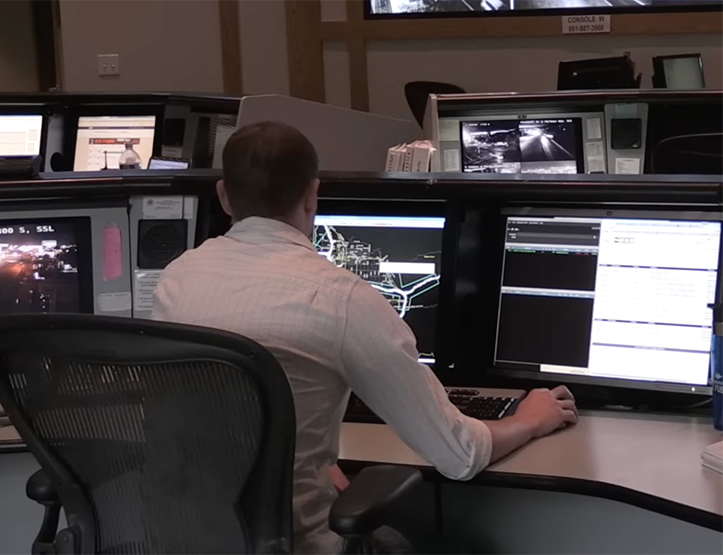
More than two decades later, our team is still a fixture inside the UDOT Traffic Operations Center. Our staff work on-site 24/7/365, providing continuous Weather Operations services that help UDOT make real-time, data-driven decisions on road conditions, winter maintenance deployment, and public safety communications across the state's highway network. That kind of long-term, embedded presence reflects the same depth of institutional knowledge and reliability that first brought our team into the TOC for the 2002 Games. As Salt Lake City prepares to host the Winter Olympics again in 2034, our team is already looking ahead, drawing on the lessons of 2002 to help the region's traffic operations infrastructure get ready for the spotlight a second time.